
The Role of Luck in Gambling
Luck is a fundamental aspect in the realm of gambling, often seen as the element that can make or break one’s fortunes overnight. It is an unpredictable force, governing everything from the flip of a card to the roll of dice. Players often enter a casino with the hope that fate will favor them, as the randomness inherent in games like slots or roulette can lead to exponential wins or devastating losses within moments. For those seeking thrills, online pokies new zealand offers a unique blend of excitement and opportunity, making this aspect of luck even more captivating as it appeals to the human desire for excitement and the possibility of a life-changing outcome.
In games of chance, luck reigns supreme, and players must accept that it can be both their best friend and worst enemy. For instance, two players might enter the same poker game with a similar set of skills and strategies, but their ultimate success can hinge on the cards they draw. The element of luck can turn an underdog into a champion or a seasoned player into a loser in just a few rounds. This unpredictability leads to the notion that while skill is important, the outcome is never assured.
Moreover, studies have shown that high-stakes games, where the stakes can significantly impact players’ behavior and choices, often amplify the role of luck. In these moments, the emotional highs and lows can skew a person’s perception of their own skill level. Players may become overly confident after a string of wins, attributing their success solely to skill rather than acknowledging the luck involved. This interplay of luck not only enhances the thrill but also complicates the gambler’s understanding of their own capabilities.
The Importance of Skill in Gambling
While luck plays a crucial role in gambling, skill is equally significant, especially in games that require strategic thinking and a deep understanding of the odds. Games like poker and blackjack are prime examples where players can leverage their knowledge to outmaneuver opponents, making calculated decisions that can lead to long-term success. Skillful players study their opponents, understand betting patterns, and manage their bankroll wisely, all of which can significantly influence their outcomes.
Skill in gambling is often developed through experience, as players learn to recognize which strategies work best under various circumstances. In poker, for example, reading opponents’ body language and betting behavior can provide vital information that affects decision-making. This ability to analyze the game and make informed choices showcases how a player’s skill can mitigate the randomness introduced by luck. Therefore, while luck may swing the game in an instant, skill provides a framework for a more consistent approach to gambling.
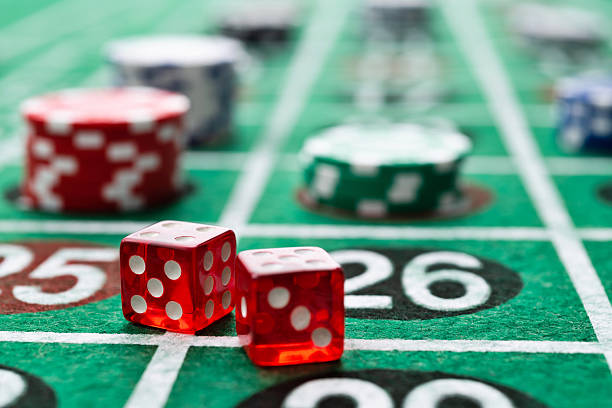
Additionally, skilled players are better equipped to handle the emotional rollercoaster that gambling can often entail. They can maintain composure and make rational decisions even in the face of bad luck, resisting the temptation to chase losses or make impulsive bets when luck seems to be against them. This psychological strength, cultivated through skill, allows for a more disciplined approach to gambling, which can lead to better long-term outcomes compared to those who rely solely on luck.
The Balance Between Luck and Skill
The relationship between luck and skill in gambling is not mutually exclusive; rather, it represents a delicate balance. Successful gamblers know how to harness their skills while also acknowledging the role of luck in the outcomes they experience. This awareness allows players to remain grounded, embracing the unpredictability of gambling while implementing strategies that can lead to positive results over time. Recognizing when to rely on skill and when to accept luck is crucial for navigating the gambling landscape.
For example, in blackjack, a player may benefit from skillful card counting or strategic betting, yet the overall game still hinges on the luck of the cards dealt. Thus, a well-rounded gambler understands that while they can influence their odds through skill, they must remain adaptable to the inherent unpredictability of lucky streaks or unfortunate losses. This multifaceted approach can lead to more sustainable gambling practices and a healthier mindset regarding wins and losses.
The interplay between luck and skill also contributes to the social dynamics of gambling. Players often engage in discussions about strategies, share tips, and bond over stories of both their luckiest moments and their most skillful plays. This cultural aspect of gambling can enhance enjoyment and foster community, as individuals learn from each other’s experiences. Ultimately, the realization that both luck and skill shape their gambling experiences further enriches the sense of connection among players.
The Psychology of Gambling
The psychological dynamics of gambling are fascinating, as they reveal how luck and skill affect player behavior. Gamblers often experience a phenomenon known as the “gambler’s fallacy,” where they mistakenly believe that past outcomes can influence future events. This can lead to a misjudgment of how luck operates in games of chance, reinforcing the belief that success is just around the corner. Such misconceptions can create a potent mix of hope and frustration, driving individuals to continue playing in the hopes that luck will finally shift in their favor.
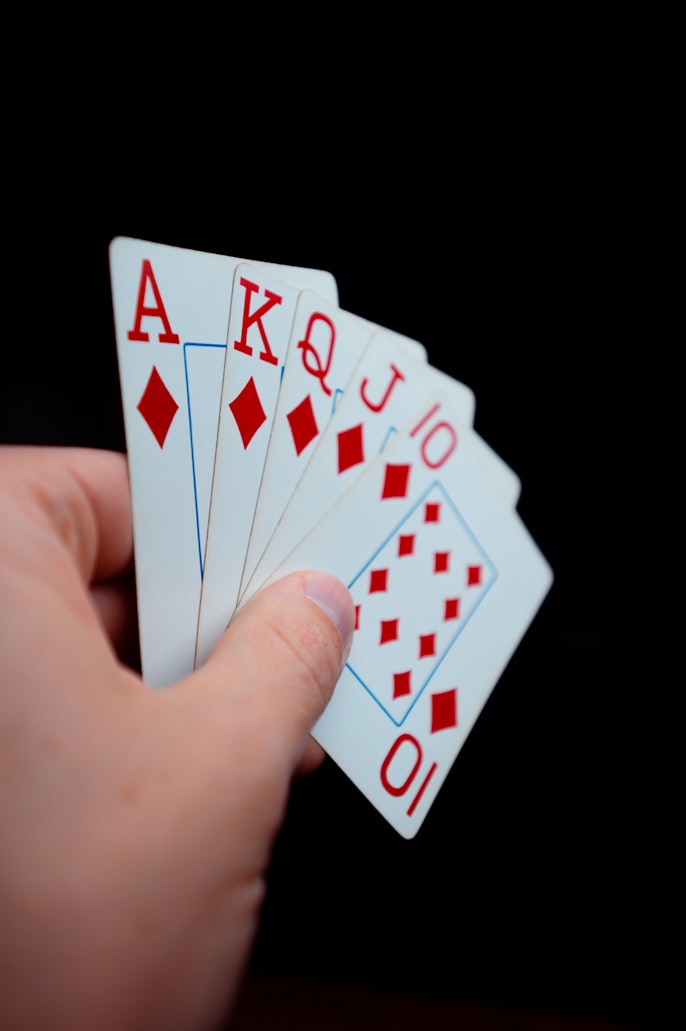
The psychology of skillful players tends to differ significantly. They often approach gambling with a level of analytical thinking that allows them to maintain a clearer perspective on their odds and outcomes. Understanding the importance of probability and the mechanics of each game can prevent them from falling victim to emotional biases that luckier players may encounter. This analytical mindset enhances their ability to make sound decisions, ultimately affecting their success in the long run.
Furthermore, the thrill of gambling often lies in the psychological interplay of luck versus skill. This tension fuels the excitement of games, as players speculate on which factor will dominate at any given moment. Whether it is the euphoric feeling of a lucky break or the satisfaction of skillfully played hand, the psychological experience is an essential component of why people are drawn to gambling. By understanding these dynamics, players can better navigate their gambling experiences and find enjoyment in both the unpredictable and the strategic elements of the games.
Conclusion: Navigating Gambling Wisely
In conclusion, the intertwining of luck and skill in the world of gambling creates a complex landscape that players must navigate with care. While luck can dramatically influence the outcome of games, skill and strategy provide the tools necessary for a more informed approach to betting. Understanding how both elements interact enables a player to make better decisions, enjoy the experience more thoroughly, and potentially achieve long-term success.
As players immerse themselves in the world of gambling, they must remember to strike a balance between embracing the thrill of chance and honing their skills. Developing a comprehensive understanding of the games they play, along with a solid grasp of the psychological aspects at play, can lead to richer experiences. With this knowledge, gamblers can approach their activities with a sense of responsibility, allowing them to appreciate both the excitement and the nuances of the games.
Ultimately, the journey in gambling encompasses both luck and skill, making it a unique adventure for each player. Whether one cherishes the thrill of a lucky win or relishes the satisfaction of a strategic play, the combination of these elements ensures that the world of gambling remains an engaging and dynamic arena. By acknowledging and respecting both luck and skill, players can navigate their gambling experiences in a more mindful and fulfilling manner.